

Exploring how culture shapes gambling habits across different societies
The Influence of Cultural Norms on Gambling
Cultural norms play a pivotal role in shaping gambling behaviors within societies. In some cultures, gambling is viewed as a traditional pastime, celebrated during festivals and special events. For instance, in many Asian cultures, games like Mahjong are not only forms of entertainment but also facilitate social interaction and strengthen familial ties. Moreover, one can explore online poker for real money to see how modern influences also affect participation levels. These cultural perceptions can lead to higher participation rates and acceptance of gambling as part of daily life.

Conversely, in societies where gambling is stigmatized or legally restricted, individuals may engage in it less openly or seek alternative methods, such as underground games. These varying cultural attitudes reflect a society’s values and ethics, which can significantly influence the gambling habits of its members.
Religious Beliefs and Gambling Practices
The intersection of religion and gambling significantly shapes how communities perceive and engage with gambling activities. In Islamic cultures, for instance, gambling is generally prohibited due to religious teachings, which leads to the development of alternative activities that provide similar excitement without contravening religious tenets. This prohibition results in a culturally ingrained aversion to gambling, influencing individuals to participate less frequently.
On the other hand, in cultures where gambling is not forbidden, such as in many Western societies, religious beliefs may still influence the types of gambling activities that are acceptable. For example, charitable gaming events are often encouraged, aligning with cultural values of community support and generosity. Thus, religion not only dictates moral frameworks but also directly impacts the gambling landscape.
The Role of Economics in Gambling Habits
Economic factors profoundly influence gambling behaviors across different societies. In regions where disposable income is higher, gambling activities tend to thrive, often leading to the establishment of numerous casinos and betting houses. The economic prosperity in these areas encourages both participation and investment in gambling as a form of entertainment.
Conversely, in economically disadvantaged communities, gambling may be perceived as a desperate attempt to achieve financial stability. This perspective can lead to higher instances of problem gambling, as individuals may gamble more frequently in hopes of turning their luck around. Therefore, economic conditions play a crucial role in determining the frequency and nature of gambling practices within various societies.
Social Interactions and Gambling Communities
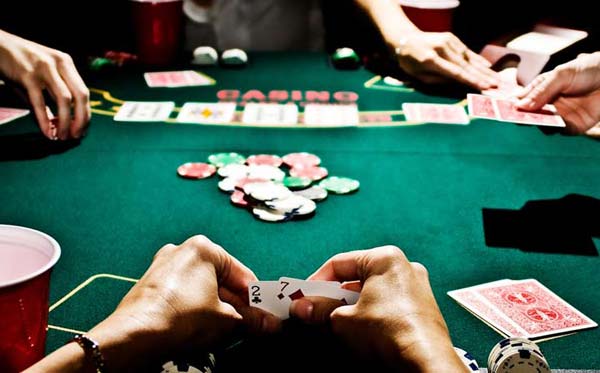
Social interactions are another significant factor that shapes gambling habits. In many cultures, gambling is a communal activity, where groups gather to play games, share stories, and build relationships. This social aspect can enhance the enjoyment of gambling, making it not just about the potential financial reward but also about the experience of camaraderie and shared excitement.
However, social interactions can also lead to negative consequences, especially in peer-driven environments where gambling is normalized or glamorized. The pressure to conform can lead individuals to engage in excessive gambling, highlighting the duality of social influence. Thus, the community context in which gambling occurs plays a crucial role in shaping individual behaviors and attitudes.
Connecting Through Cultural Insights on Gambling
Understanding how culture influences gambling habits across different societies offers valuable insights for both researchers and enthusiasts. By examining various cultural contexts, we can appreciate the diverse motivations and practices associated with gambling worldwide. This knowledge not only enriches our understanding of gambling as a social phenomenon but also aids in addressing issues related to problem gambling.
Through continued exploration of the cultural dimensions of gambling, we can foster a greater understanding of its impacts, ultimately promoting responsible gambling practices that align with cultural values. Our website aims to provide further resources and discussions on this topic, highlighting the importance of cultural perspectives in shaping gambling habits and behaviors.